
What natural hydrogen means for feedstock economics
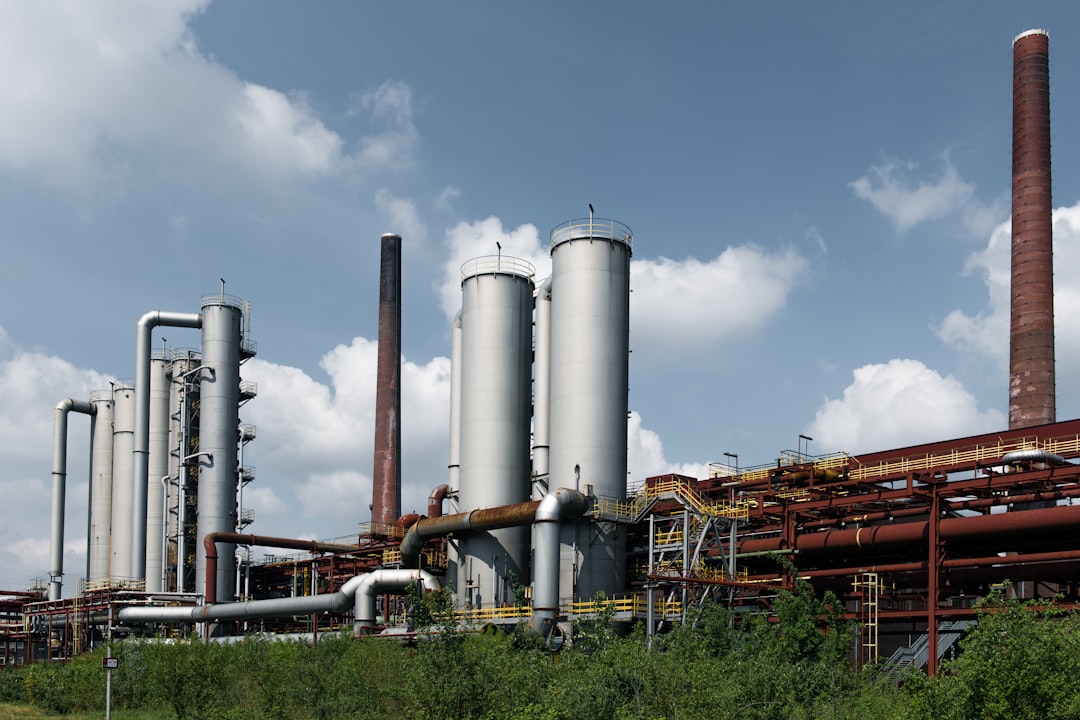
Geological hydrogen—formed through serpentinisation of iron-rich rock or radiolysis of water deep underground—can be extracted via wells analogous to natural-gas drilling. Early exploration campaigns in Mali, the United States, and Australia suggest flow rates and hydrogen purities that, if scaled, could deliver hydrogen at a fraction of today’s €4–6/kg electrolytic benchmark. For an e-methanol plant running a 4:1 H₂:CO₂ molar stoichiometry, substituting white hydrogen for green would slash the largest single operating expense and materially improve the business case against fossil marine gasoil, even before carbon-pricing uplift.
The catch is regulatory invisibility. RED III Article 27 defines RFNBOs as fuels whose energy content comes from renewable electricity; geological hydrogen, while carbon-free at the wellhead, is not electrochemically produced and therefore does not meet the directive’s current text. FuelEU Maritime Regulation (EU) 2023/1805 assigns compliance based on well-to-wake greenhouse-gas intensity but offers no bespoke default value or simplified certification for natural-hydrogen methanol, forcing each plant to commission a bespoke life-cycle assessment—a time and cost burden that delays market entry.
The 2030–2032 compliance calendar and the hydrogen-origin gap
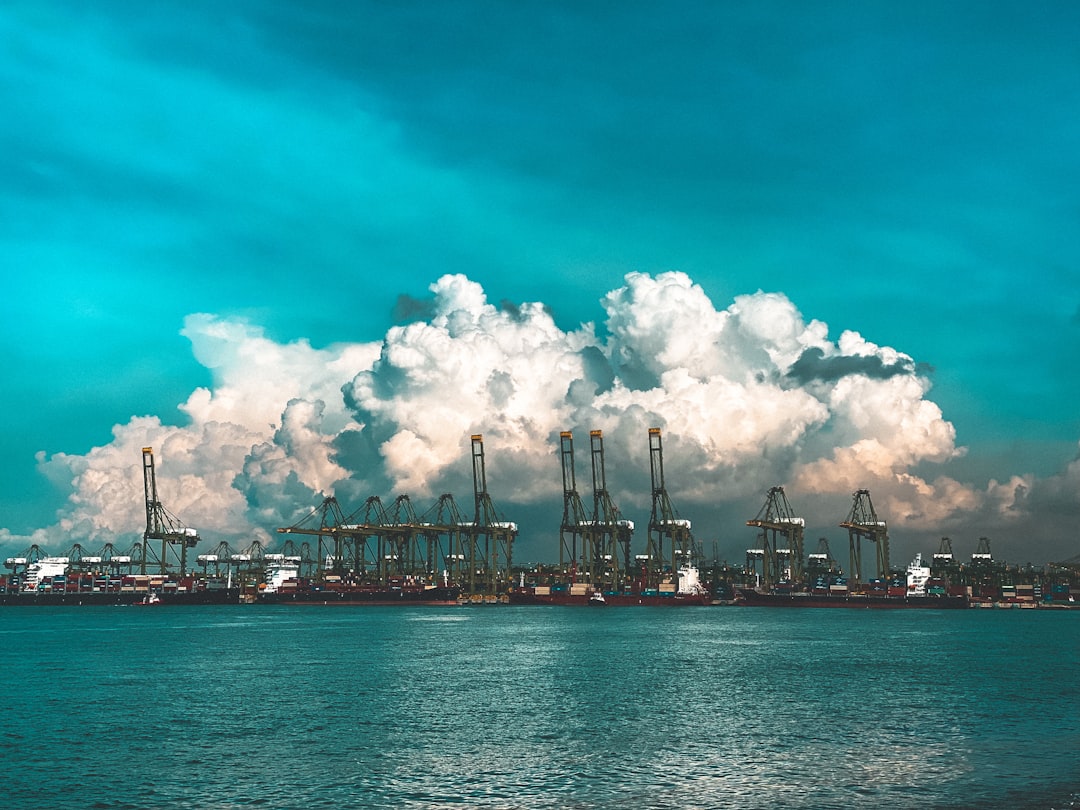
From 2030 onward, FuelEU Maritime imposes annual GHG-intensity caps on energy used by ships above 5,000 gross tonnes calling at EU ports; the penalty phase begins in 2030, and the cap tightens yearly. Concurrently, RED III’s 1 % RFNBO sub-mandate for transport takes effect in 2032, pulling hard on certified green-hydrogen supply. Maersk and other container lines have announced firm e-methanol offtake, yet every tonne must carry proof of renewable origin to earn compliance credit—proof that today’s legislation does not extend to white hydrogen.
Compliance directors face a dilemma: wait for a future amendment that may never arrive, or proceed with conventional electrolytic routes and forgo the cost advantage of geological feedstock. Marketing teams, meanwhile, cannot yet claim ‘natural hydrogen’ as a differentiated sustainability narrative under EU law, limiting the commercial and reputational upside that might justify early exploration investment.
What comes next: amendment triggers and industry coalitions
The European Commission will review RED III implementation by mid-decade; stakeholders in the natural-hydrogen value chain—drillers, methanol synthesisers, shipowners—should coordinate now to propose a legally robust definition, a default emission factor (accounting for well-construction and any minor methane co-production), and an additionality test analogous to the temporal- and geographical-correlation rules applied to electrolysers. Until such an amendment lands in the Official Journal, e-methanol projects relying on white hydrogen remain outside the compliance perimeter that drives offtake contracts and shapes margins through 2032 and beyond.
Sources
- IATA – Sustainable Aviation Fuel (SAF)
- What is sustainable aviation fuel and how is it made? | World Economic Forum
Featured image via Unsplash.





Leave a Reply