

The Compliance Number and Its Limits
EASA’s report establishes a baseline: the EU delivered 1.1 Mt of SAF against 39.3 Mt of total aviation fuel in 2025, for a 2.8% blend rate. Compliance directors can log this as a cleared hurdle, but the 2025 obligation was deliberately set low to allow supply chains to develop. The trajectory steepens sharply toward 2030 and beyond, where e-SAF sub-mandates — requiring fuel produced from renewable electricity and captured CO₂, not just bio-based HEFA — begin to carry real commercial weight.
It is worth stating the efficiency caveat plainly: e-fuels in road transport consume roughly five times more renewable electricity per kilometre than a battery-electric vehicle, making them a poor fit for cars and light vans. Aviation is a different matter. Batteries cannot power long-haul aircraft at commercial scale, and sustainable drop-in fuels remain the only credible decarbonisation vector for existing fleets. That is where e-SAF mandates, and e-methanol as a feedstock pathway, find their structural justification.
The Loophole That Could Hollow Out the E-SAF Sub-Mandate
On 16 September 2026, an industry coalition addressed an open letter to the European Commission warning against a proposed accounting rule that would allow electrolytic hydrogen used in HEFA or HVO hydrotreatment processes to count toward the e-SAF sub-mandate. The coalition called this a ‘dangerous regulatory precedent.’ The concern is precise: HEFA is a mature, lower-cost bio-based route; allowing it to absorb the e-SAF credit by adding a marginal electrolytic hydrogen input would effectively neutralise the incentive to invest in dedicated power-to-liquid pathways — including e-methanol-to-jet, which requires synthesising fuel from green hydrogen and captured CO₂ from scratch.
For compliance and procurement teams at airlines, fuel suppliers and maritime operators watching FuelEU Maritime design its own synthetic fuel provisions, the outcome of this EC decision is material. If the loophole is accepted, the price premium that e-SAF commands over HEFA collapses — and with it the business case for new PtL capacity. If rejected, HEFA and HVO retain their own lane while e-SAF sub-mandates drive genuine demand for electrolytic routes.
Methanol as a Bridge Between Maritime and Aviation Policy
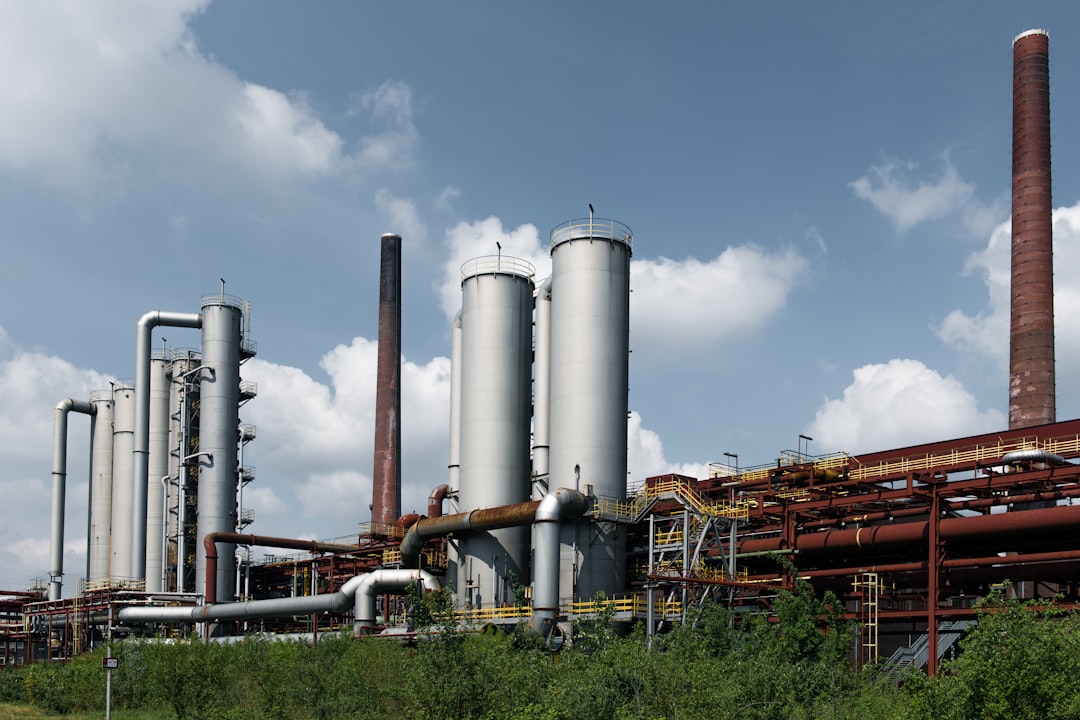
Green synthetic methanol sits at the intersection of both regulatory regimes. In maritime, FuelEU Maritime is already driving uptake of renewable methanol as a bunker fuel, with lifecycle emissions scrutinised under ISO-compliant LCA frameworks. In aviation, methanol-to-jet is one of several PtL conversion routes being evaluated against the e-SAF sub-mandate trajectory. The feedstock economics are linked: scale achieved in maritime methanol production — larger electrolyser arrays, lower green hydrogen costs, established CO₂ sourcing — reduces the marginal cost of the same molecule when redirected to jet fuel synthesis.
Compliance directors mapping 2030–2032 obligations should therefore track the EC’s response to the industry coalition letter as a leading indicator. A clean, loophole-free e-SAF sub-mandate strengthens the investment case for integrated green methanol facilities serving both shipping and aviation offtake. A diluted mandate pushes the economics back toward bio-HEFA and delays the PtL scale-up on which both sectors ultimately depend.
Sources
- EU sustainable aviation fuel supply exceeds 2025 ReFuelEU Aviation target | EASA
- Safeguarding the Integrity of EU Synthetic Fuels Targets under ReFuelEU Aviation & FuelEU Maritime – CleanTechnica
Featured image via Unsplash.
This is not an official site. It is published by a private company and does not emanate from any public authority, institutional programme, government department or research organisation. It represents none of them and speaks for none of them in any capacity.
Nature of the content. Articles are documentary summaries drawn from cited public sources. They may contain inaccuracies, omissions or information that has since become outdated. No financial, technical, legal or investment advice is provided.
Always verify against primary sources. For any information concerning a public programme, a regulation or an institutional project, only the publications of the competent authority are authoritative.
© 2026 BESS Energie SRL · BCE 0698.949.732 · info@bess.be







Leave a Reply