
Pipeline Intelligence and Methanol Feedstock Costs
E-methanol synthesis combines renewable hydrogen with captured CO₂, typically requiring 5.5–6.0 MWh of green electricity per tonne of final product when accounting for electrolysis and synthesis energy. Hydrogen transport costs, pressure-drop losses, and delivery intermittency all feed into the levelised cost of methanol—a figure that determines whether facilities like Denmark’s Kassø plant can compete with fossil marine fuels under FuelEU Maritime regulation.
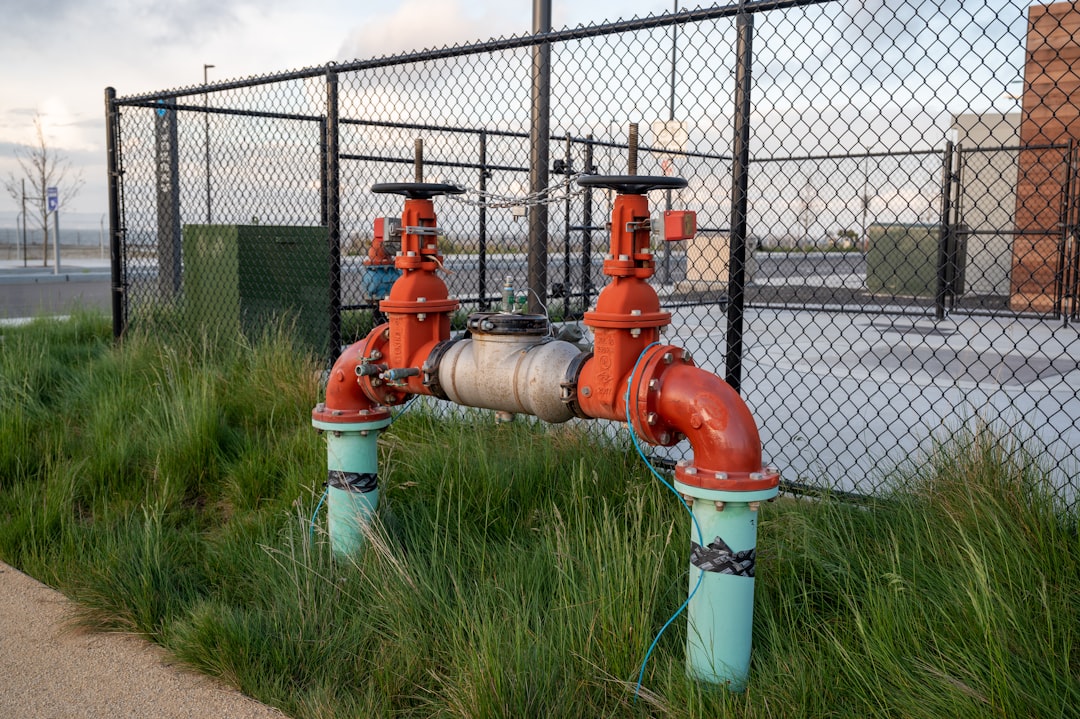
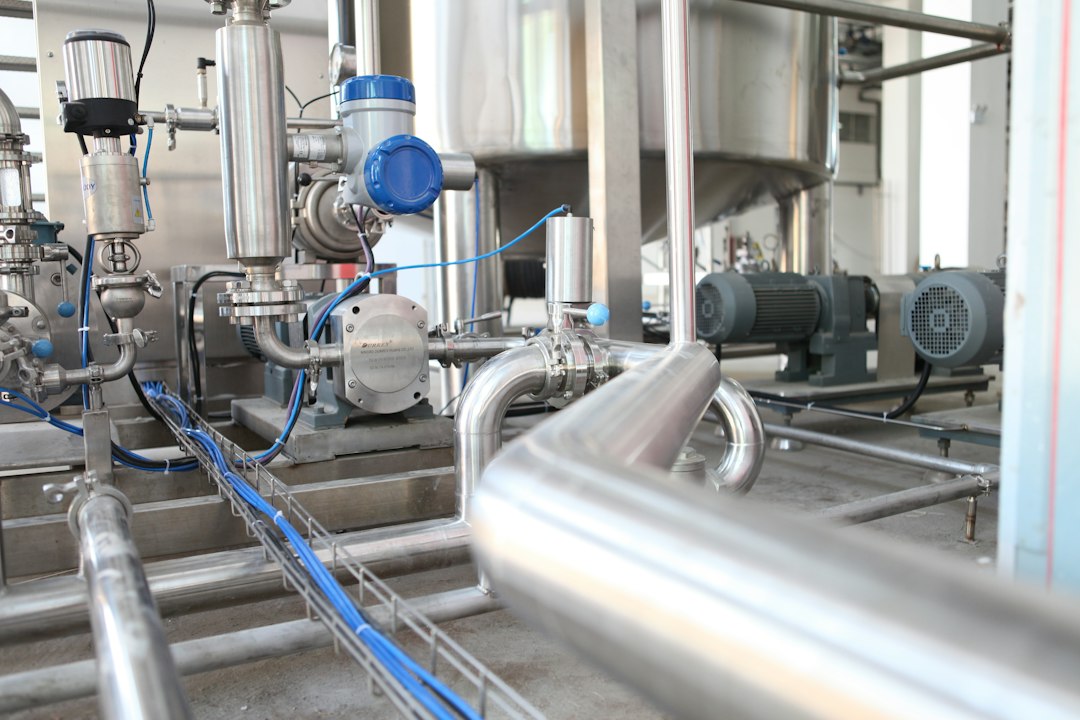
Digital twins for hydrogen pipelines model flow dynamics, predict maintenance windows, and adjust pressure in real time to minimise energy waste. For cross-border projects such as HY4Link (connecting production hubs in the Greater Region), sensor-driven AI optimisation can reduce hydrogen delivery costs by 8–12 percent, according to industry estimates. That translates directly to lower feedstock expense at methanol synthesis units, improving the business case for operators already grappling with renewable power price swings.
FuelEU Maritime and the 2026 Carbon-Neutral Threshold
Europe’s 2026 carbon-neutral ultimatum for e-fuels requires proof that CO₂ feedstock is non-fossil and that hydrogen is produced via renewable electrolysis. Maritime operators adopting e-methanol—such as Maersk, which has ordered dual-fuel vessels compatible with the Horse D20 engine platform—need transparent, auditable supply chains. Pipeline digital twins generate time-stamped flow and composition data, supporting Guarantee of Origin (GO) certification and RED III compliance by documenting renewable provenance from electrolyser to port bunker terminal.
This traceability layer also matters for FuelEU Maritime’s greenhouse-gas intensity limits, which tighten annually from 2025. When a ship refuels with certified e-methanol, the well-to-wake emissions calculation depends on upstream hydrogen transport efficiency—losses that a well-tuned digital twin can quantify and minimise.
AI-Driven Performance Metrics for Electrolyser-to-Pipeline Integration
Machine-learning models ingest real-time data from alkaline or PEM electrolysers, forecast renewable power availability, and signal the pipeline twin to pre-position hydrogen flows ahead of methanol synthesis demand spikes. This closed-loop coordination improves electrolyser stack utilisation—often the largest capital component in green hydrogen production—and reduces curtailment of surplus renewable electricity. For methanol producers, the result is steadier feedstock supply at lower average cost, a competitive advantage as the e-fuel market ramps toward 2030 and beyond.
Sources
- E-Fuel Market to Reach USD 321.05 Billion by 2033
- E-fuels given 2026 carbon-neutral ultimatum in Europe
- Scenarios for the Market Ramp-up of E-Fuels in Road Transport (2025 Update)
Featured image via Unsplash.




Leave a Reply