
Platform approach targets integration and scale
Fraunhofer’s platform architecture emphasises modular stacks and streamlined balance-of-plant integration—factors that matter because e-methanol plants co-locate electrolysers with CO₂ capture units and synthesis reactors. Imperial College London research published in parallel highlights how anion-exchange-membrane (AEM) cells can approach ~45 kWh per kilogramme of hydrogen under optimised conditions, below the ~50–55 kWh range of many current alkaline and PEM systems. Reducing that energy intensity by even 5 kWh translates to roughly €0.40–0.50 per kilogramme of H₂ saved at typical European industrial electricity prices, which cascades into approximately €50–60 per tonne of methanol cost reduction.
For a dual-fuel container vessel burning 12,000 tonnes of e-methanol annually—comparable to Maersk’s initial methanol-ready tonnage—the cumulative fuel-cost saving would reach €600,000–720,000 per ship per year. Multiply that across a fleet of twenty vessels and the business case for investing in state-of-the-art electrolyser technology becomes compelling, especially when FuelEU Maritime penalties for non-compliance can exceed €2,400 per tonne of CO₂ equivalent by 2030.
Data, digital twins, and the .ai legitimacy test
Optimising electrolyser operation demands real-time monitoring of stack temperature, membrane hydration, current density, and feed-water quality—parameters that lend themselves to machine-learning models trained on historical performance data. Imperial’s study noted that small deviations in operating conditions can shift efficiency by several percentage points; a digital twin of the electrolyser-plus-synthesis train can predict degradation, schedule maintenance, and adjust load in response to variable renewable power input. This is precisely the technical performance domain that justifies an .ai domain extension: e-methanol production is increasingly a data-intensive, algorithm-optimised industrial process rather than a static chemical recipe.
Facilities like Denmark’s Kassø Power-to-X project—which will supply Maersk—are already embedding sensor arrays and cloud analytics to maximise uptime and minimise levelised cost. As more maritime e-methanol capacity comes online, the plants that combine cutting-edge electrolyser hardware with AI-driven operational intelligence will set the benchmark for cost competitiveness under RED III renewable-fuel-of-non-biological-origin criteria and FuelEU’s 2 percent per year greenhouse-gas intensity reduction trajectory.
Implications for Horse D20 dual-fuel engines
Lower-cost e-methanol feeds directly into total cost of ownership for dual-fuel powertrains. The Horse Powertrain D20 range-extender, designed for heavy-duty and potentially auxiliary maritime gensets, can run on methanol blends; cheaper fuel improves the payback period on engine conversions and makes methanol bunkering more attractive at secondary ports. If electrolyser efficiency gains drive e-methanol below €800 per tonne at scale—compared to today’s ~€1,000–1,200—range-extender business models shift from marginal to mainstream, accelerating fleet turnover and reinforcing the maritime methanol infrastructure that FuelEU Maritime regulation is designed to stimulate.
Sources
- Electrolysis Platform—Efficient Manufacture of Hydrogen and Chemical Products
- Insights from Imperial study could improve green hydrogen production
- Green hydrogen production and deployment: opportunities and challenges
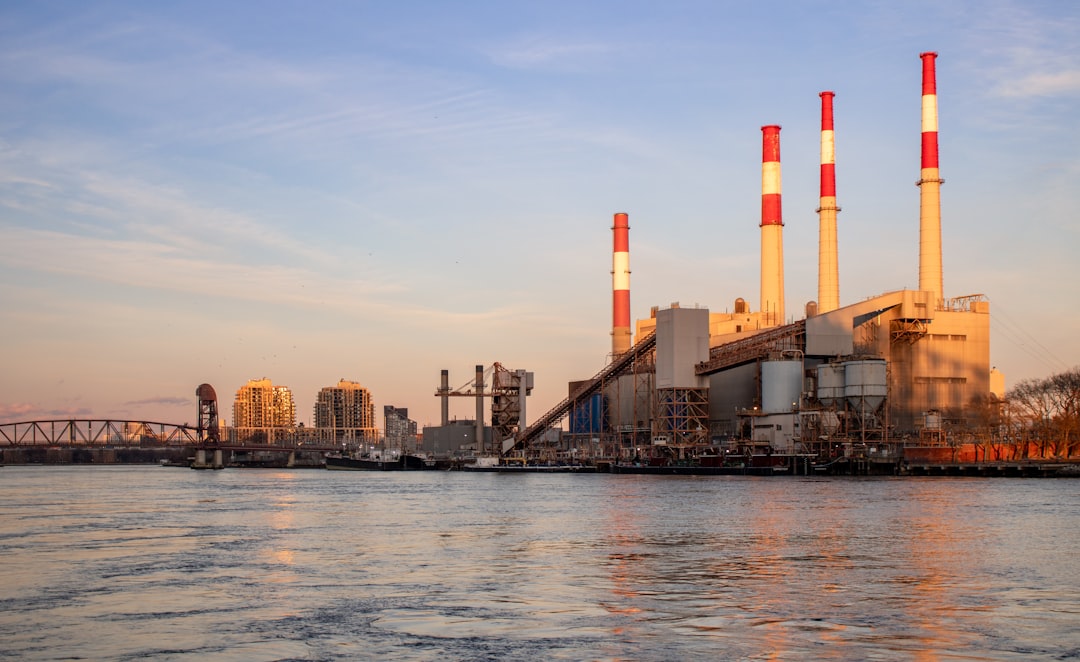
Featured image via Unsplash.


Leave a Reply