
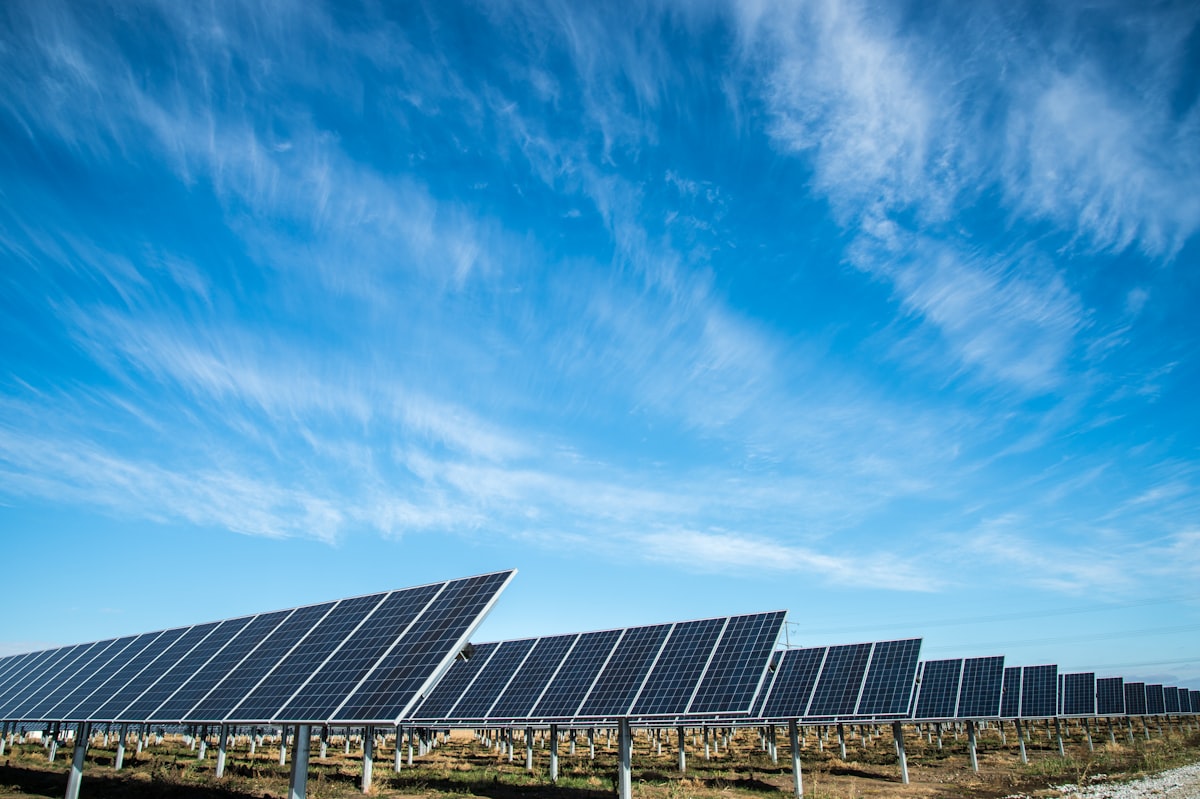
Regulatory Momentum Without Feedstock Infrastructure
The EU Emissions Trading System reached 100% implementation for shipping in 2026, with bio- and e-methanol positioned as primary compliance pathways according to the Methanol Institute. Simultaneously, the RED III compliance framework for biofuels and sustainable aviation fuel operators went live in late April 2026 under RSB certification requirements. Yet the physical hydrogen backbone needed to feed electrolyser-based e-methanol plants—particularly cross-border pipeline networks like HY4Link in the Greater Region—remains conspicuously quiet in industry news cycles.
For maritime operators evaluating dual-fuel methanol engines such as the Horse D20 range-extender platform or vessels following Maersk’s methanol-fuelled newbuild strategy, this infrastructure silence introduces a tangible supply-chain risk. E-methanol chemistry demands constant, high-volume green hydrogen input; without dedicated pipeline delivery, projects face either trucked hydrogen at prohibitive cost or reliance on embedded electrolysers with land and grid constraints that limit scale.
White Hydrogen Discovery and Carbon-Capture Alternatives
Mid-May 2026 brought headlines of white hydrogen discovered in billion-year-old Canadian Shield rock formations, sparking speculation about naturally occurring H₂ as a potential energy source. While geological hydrogen extraction remains pre-commercial, the announcement reflects growing investor appetite for low-carbon hydrogen pathways beyond electrolysis. Meanwhile, the 2026 CCUS outlook highlights carbon capture and utilisation focused on synthetic fuels for aviation, shipping, and chemical production—routes that could supply CO₂ feedstock for e-methanol via point-source industrial emissions rather than direct air capture.
These parallel developments illustrate a diversifying hydrogen and carbon landscape, yet none replaces the need for dedicated, high-capacity green H₂ transmission networks. Facilities like Denmark’s Kassø e-methanol demonstration project depend on predictable electrolyser throughput, which in turn requires either on-site renewable generation or pipeline import from regional hydrogen hubs—the latter being HY4Link’s intended role across Luxembourg, the Saarland, Lorraine, and Wallonia.
Data Gaps and the AI Imperative
The current information vacuum around HY4Link construction timelines, capacity reservations, or interconnection agreements highlights the need for digital-twin infrastructure planning and AI-driven pipeline optimisation. Real-time monitoring of hydrogen purity, pressure dynamics, and offtake scheduling will be essential when cross-border networks do materialise, enabling e-methanol producers to synchronise electrolyser ramp rates with maritime fuel-demand signals under FuelEU Maritime’s greenhouse-gas intensity targets. Without transparent, data-rich project tracking, the methanol-as-marine-fuel thesis remains decoupled from the physical hydrogen supply it requires.
Sources
- Liquid e-fuels for a sustainable future: A comprehensive review of production, regulation, and technological innovation
- E-Fuel Market Size and Outlook 2030
- Power-to-Liquids – Green Car Congress
Featured image via Unsplash.




Leave a Reply