

Why E-Methanol Chemistry Makes the EU’s Bet Credible
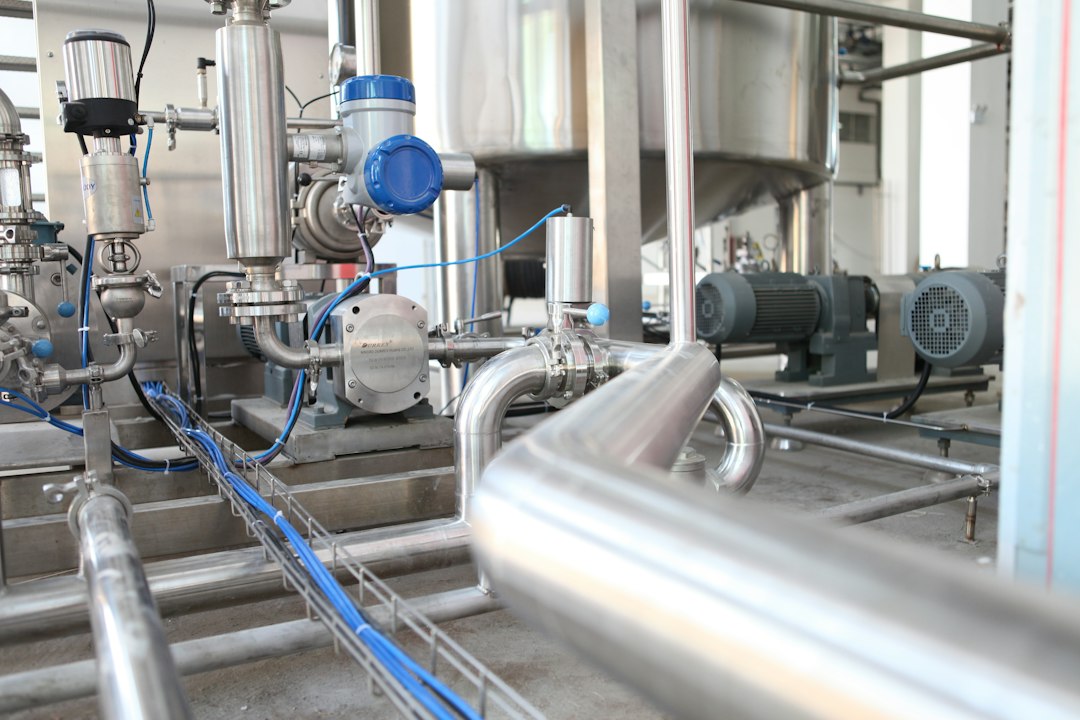
Green synthetic methanol — produced by combining green hydrogen (from PEM electrolysis) with captured CO₂ — is one of the most electrochemically tractable Power-to-Liquid pathways. Its energy density, ambient-temperature liquid storage, and compatibility with existing port infrastructure make it uniquely suited to the short-sea shipping corridors that the Dutch scheme targets. The EU’s state-aid clearance covers both newbuilds and retrofits across passenger and cargo vessels, meaning the addressable fleet is far larger than a greenfield order book alone would suggest. For AI-driven production optimisation platforms tracking electrolyser stack performance and CO₂ utilisation rates in real time, this fleet diversity is precisely the heterogeneous dataset that sharpens predictive models.
Recent advances in PEM electrolysis reinforce the supply-side case. LG Chem’s interface-stabilisation breakthrough — doubling electrode lifespan while cutting iridium loading by 50% — directly reduces the levelised cost of the green hydrogen feedstock that underpins e-methanol economics. Lower iridium consumption per megawatt of electrolysis capacity means capital cost curves for large-scale methanol synthesis plants can steepen their downward trajectory faster than consensus projections assumed.
FuelEU Maritime as the Regulatory Forcing Function
The Dutch programme does not exist in a policy vacuum. FuelEU Maritime sets binding greenhouse-gas intensity reductions for ships calling at EU ports, creating a durable demand signal for low-carbon fuels including e-methanol. The regulatory architecture mirrors the ReFuelEU Aviation framework that Switzerland formally adopted from 1 January 2026 — mandating a 2% SAF blend today and a 70% target by 2050 — demonstrating that the EU’s sectoral fuel mandates are now legally contagious beyond its own borders. Shipowners investing in methanol-capable vessels under the Dutch subsidy scheme are therefore hedging against a tightening compliance cost that is structurally certain, not speculative.
Digital twin and AI applications are increasingly central to this compliance calculus. Operators need granular, real-time data on fuel consumption, carbon intensity, and tank-to-wake emissions to report accurately under FuelEU Maritime’s monitoring framework. Platforms that ingest electrolyser efficiency data, methanol offtake volumes, and vessel voyage profiles — and surface actionable optimisation signals — are transitioning from nice-to-have analytics tools to regulatory-grade infrastructure.
The Broader Methanol Momentum Signal
The cross-sector convergence around methanol is striking. Horse Powertrain’s D20 range-extender engine — running on 100% methanol with a 47% fuel-to-energy efficiency ratio and Euro 7 compliance — shows that methanol combustion optimisation is advancing rapidly in road transport as well. Efficiency gains validated in one combustion context accelerate engineering confidence in maritime applications, compressing the timeline between demonstration and commercial deployment. For e-methanol.ai’s editorial mission, this convergence is the story: AI-assisted electrolyser optimisation, real-time carbon accounting, and cross-modal fuel efficiency benchmarking are no longer separate disciplines — they are converging into a single analytical stack that de-risks green methanol investment across every transport sector.
Sources
Featured image via Unsplash.





Leave a Reply