
Hydrogen Logistics and Methanol Synthesis Economics
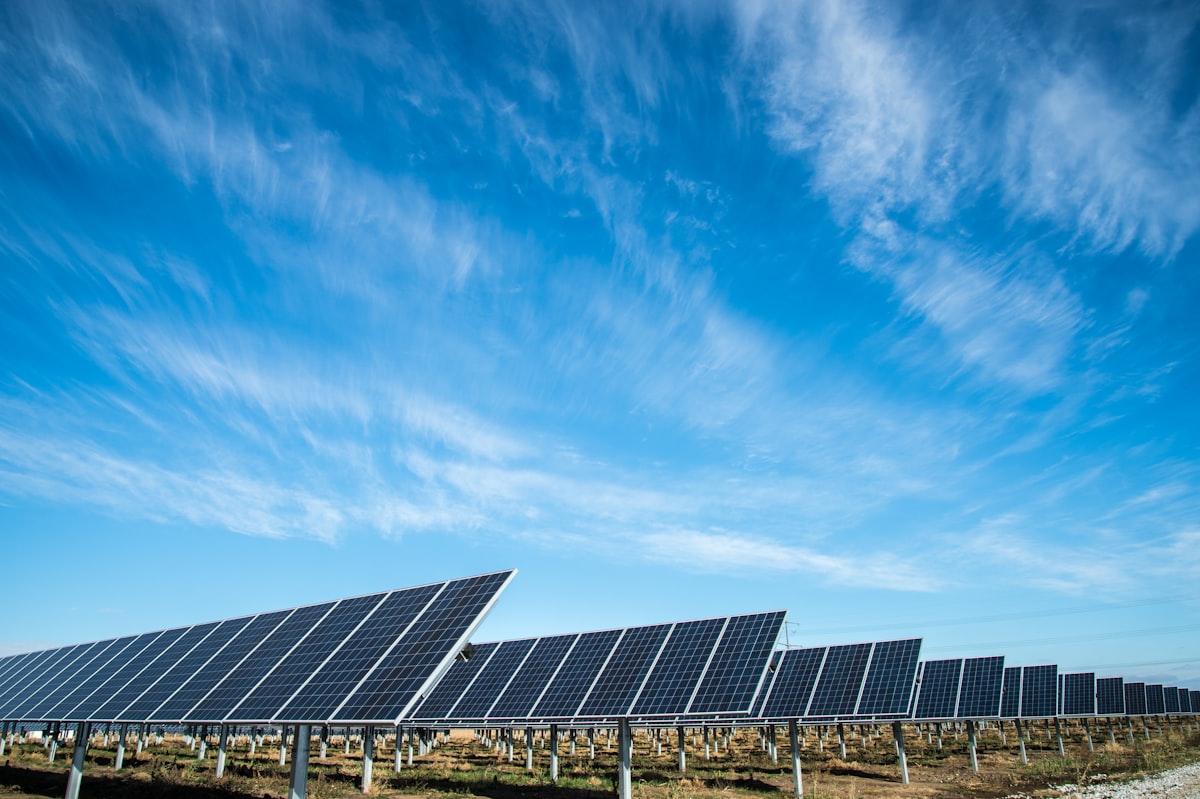
Green methanol production—whether for Maersk’s dual-fuel fleet or smaller operators eyeing FuelEU Maritime compliance—requires two primary inputs: renewable electricity for electrolysis and captured CO₂. The hydrogen component accounts for roughly three-quarters of the molecular mass and drives both capex (electrolyser scale) and opex (electricity price, utilisation factor). HY4Link’s €2.1 billion hydrogen corridor, targeting 2030 commissioning, will link Belgium’s import terminals with inland demand centers, offering an alternative to on-site electrolysis for methanol plants unwilling or unable to co-locate with gigawatt-scale renewable generation.
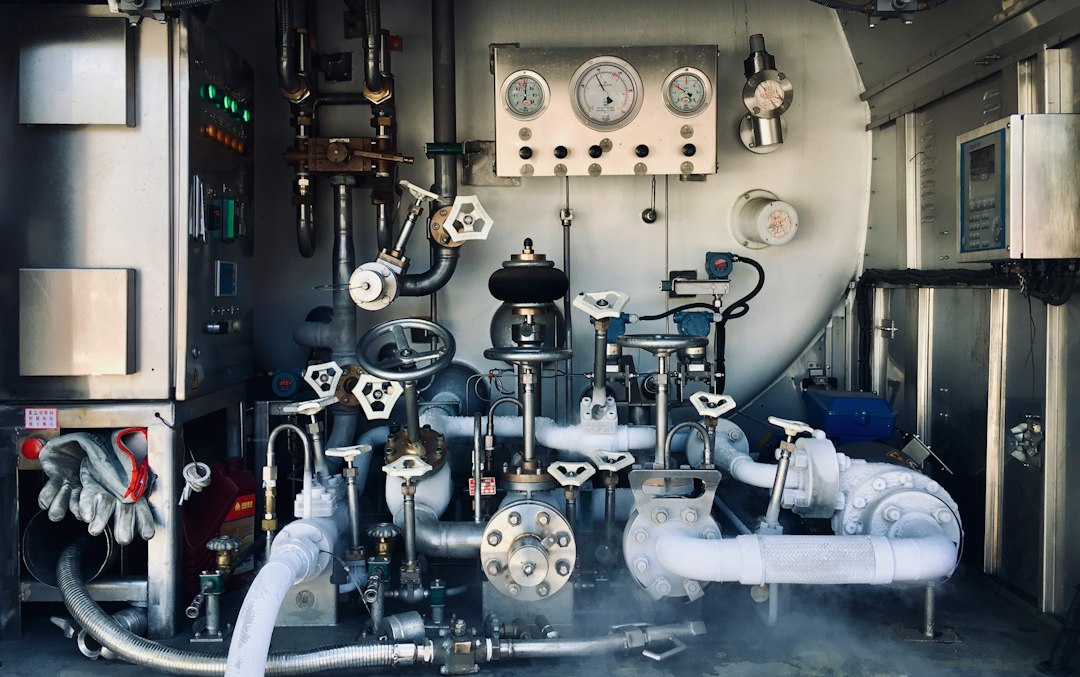
For a facility such as the planned Kassø e-methanol plant in Denmark, or any similar synthesis operation near a hydrogen import hub, pipeline access changes the capital calculus: instead of over-sizing electrolysers to guarantee baseload hydrogen supply, operators can balance captive production with pipeline imports, smoothing both capacity utilisation and cash flow. Digital twin models—real-time simulations of pressure, flow, and grid constraints—allow dispatch optimisation that treats the pipeline as a virtual storage buffer, a capability critical when renewable curtailment windows shift hourly.
Digital Twin Optimisation and AI-Driven Dispatch
Pipeline operators including Fluxys and Creos deploy digital twin platforms to model HY4Link’s network behavior under variable injection and offtake scenarios. These tools integrate weather forecasts (renewable generation proxies), electrolyser ramp rates, and downstream demand signals—including methanol synthesis units that prefer steady hydrogen feed to maximise catalyst life. Machine learning algorithms can predict optimal injection timing when wind or solar surplus drives electrolyser output, dynamically routing molecules to the highest-value endpoint. For e-methanol producers, this means hedging against both hydrogen price spikes and supply interruptions, translating to tighter margin forecasts and improved bankability for project finance.
Cross-Border Integration and Maritime Fuel Supply Chains
HY4Link’s four-country footprint—awarded EU Project of Common Interest status in November 2025—positions it as a backbone for maritime fuel supply chains extending from North Sea wind-hydrogen import terminals to bunkering hubs in Antwerp, Rotterdam, and beyond. E-methanol destined for container ships or tankers often originates hundreds of kilometers inland; pipeline transport at scale beats trucked or ammonia-derived hydrogen on both cost and carbon intensity. The network’s digital monitoring layer also enables compliance tracking under the EU’s Renewable Energy Directive (RED III), timestamping renewable electrons and certifying additionality—a data trail that flows directly into FuelEU Maritime reporting and methanol carbon-intensity scores.
Sources
- HY4Link: integrated cross-border hydrogen infrastructure
- HY4Link project – Creos Luxembourg
- HY4Link hydrogen corridor awarded EU Project of Common Interest status
- HY4Link: A Hydrogen Network To Decarbonize The Greater Region
Featured image via Unsplash.







Leave a Reply