
A Survey Programme, Not a Discovery
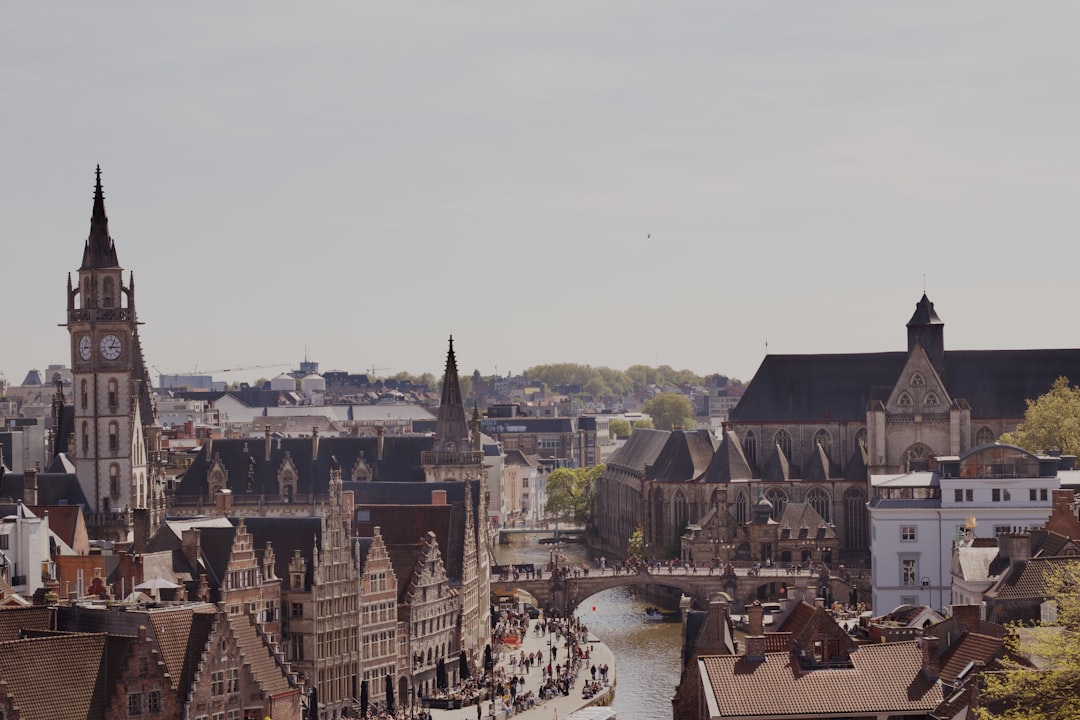
BE.Hydrogen is explicitly a geological survey — a structured effort to understand what, if anything, lies beneath Belgian rock. The Royal Belgian Institute of Natural Sciences will lead the programme, mapping subsurface formations and assessing whether naturally occurring hydrogen is present in commercially relevant concentrations. European peers such as France and Spain have moved further along this path, with exploration licences already granted in sedimentary basins. Belgium is beginning at the foundational stage: characterising its own geology before drawing conclusions. No natural hydrogen accumulation, flow, or commercially exploitable resource has been confirmed on Belgian territory as a result of this programme.
The €3.5 million budget, modest by energy-sector standards, reflects that exploratory ambition. Funded from ETS revenues rather than general taxation, it signals that Belgium views the exercise as part of its broader decarbonisation toolkit — one that sits upstream of, but potentially connected to, the synthetic-fuel value chains the country is working to develop.
Why This Matters for E-Methanol and Maritime Fuel
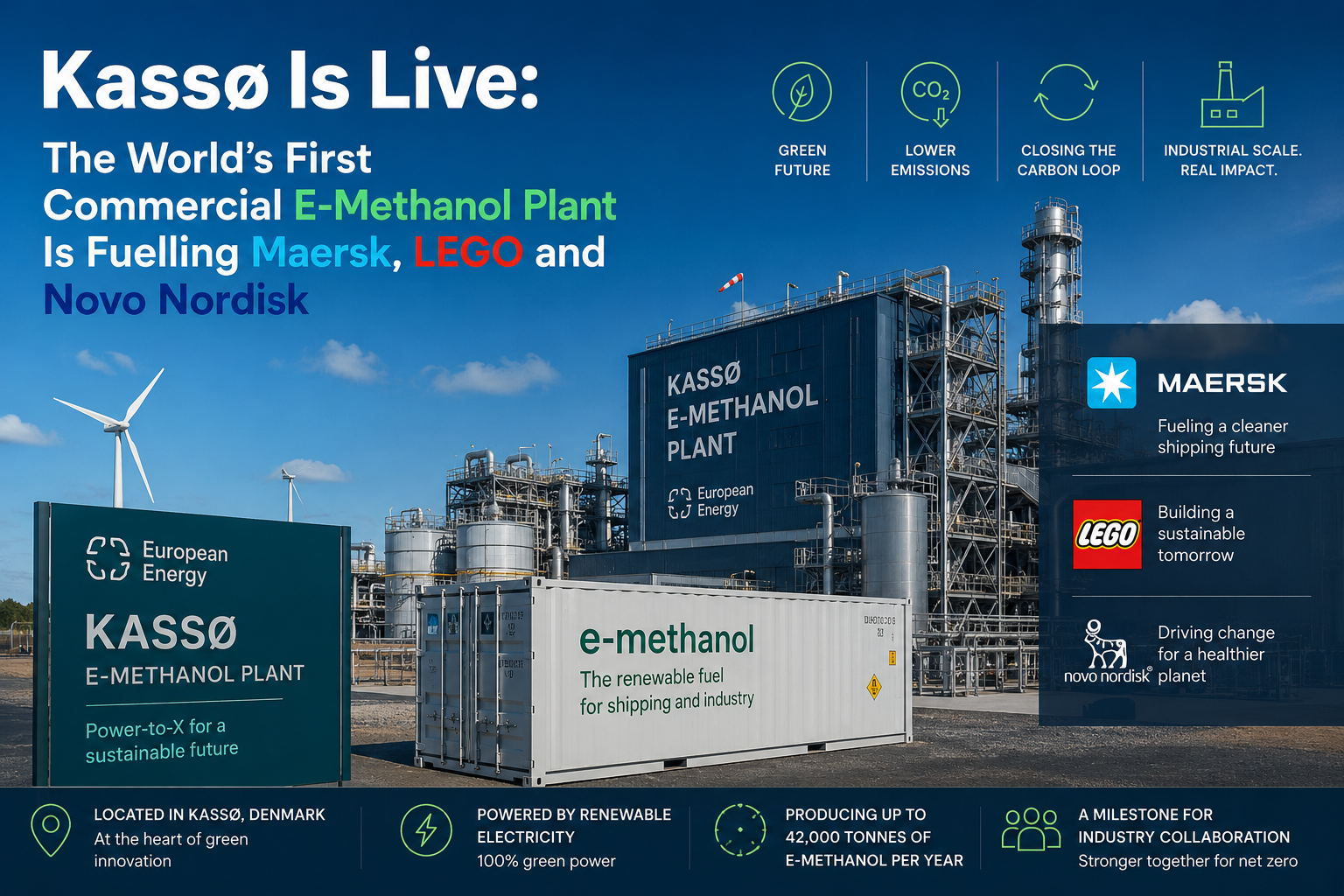
The connection to e-methanol is indirect but strategically real. Green synthetic methanol — produced by combining green hydrogen with captured CO₂ — is rapidly becoming the maritime industry’s fuel of choice for new dual-fuel vessels. Maersk’s dual-fuel methanol fleet and the Kassøe facility in Denmark, designed to produce green methanol at scale, illustrate the direction of travel. FuelEU Maritime, which enters force in 2025 and tightens greenhouse-gas intensity requirements progressively through 2050, is creating a structural, regulatory pull for RFNBOs including e-methanol. If Belgium’s subsoil were eventually to yield competitively priced geological hydrogen — and that remains entirely unproven — it could reduce the electrolysis cost component that currently dominates e-methanol production economics, offering a potential feedstock advantage for Belgian or North Sea methanol producers.
The EU’s parallel move to allow up to 100% price-premium subsidies for RFNBOs such as e-methanol and green ammonia under its emerging maritime support scheme further sharpens the commercial context. Shipping operators are already deploying AI-driven fleet route and bunkering optimisation tools to manage the cost and availability complexities of methanol supply — underlining that the entire value chain, from geological survey to vessel operations, is becoming more data-intensive.
From Survey to Synthetic Fuel: A Long Road with a Clear Direction
Belgium’s decision to fund BE.Hydrogen is best read as insurance and optionality, not a production commitment. The pathway from approved survey to confirmed resource to commercial extraction to hydrogen feedstock for e-methanol synthesis is long, uncertain, and dependent on geological outcomes that may not materialise. What the programme does demonstrate is institutional seriousness: using ETS revenues to fund structured scientific inquiry into a potential domestic clean-energy resource is a defensible and forward-looking allocation.
For the e-methanol and maritime fuel community, the more immediate signals remain the Kassøe model, FuelEU Maritime’s compliance pressure, and the EU subsidy architecture for RFNBOs. BE.Hydrogen sits on a longer horizon — but in an industry planning vessel lifetimes of 25 years and fuel-supply contracts of a decade, longer horizons are exactly where strategic decisions get made.
Sources
- Scientists discover massive natural hydrogen source beneath Canada | ScienceDaily
- Natural Hydrogen Discovery Unlocks Revolutionary Clean Energy Potential
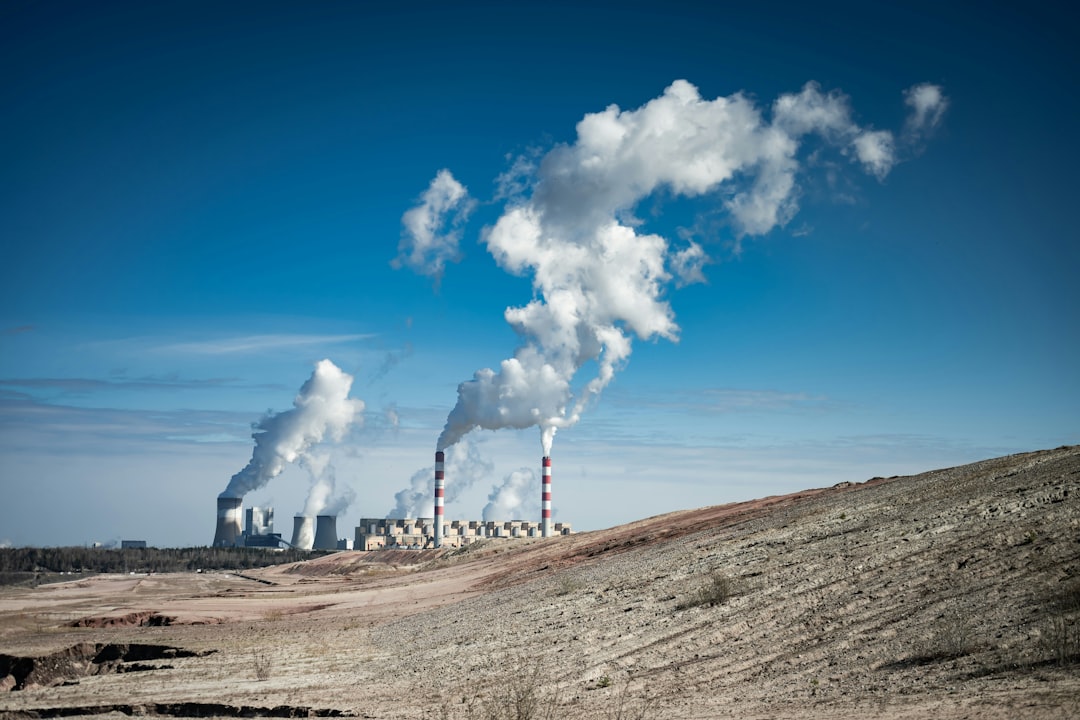
Featured image via Unsplash.



Leave a Reply