
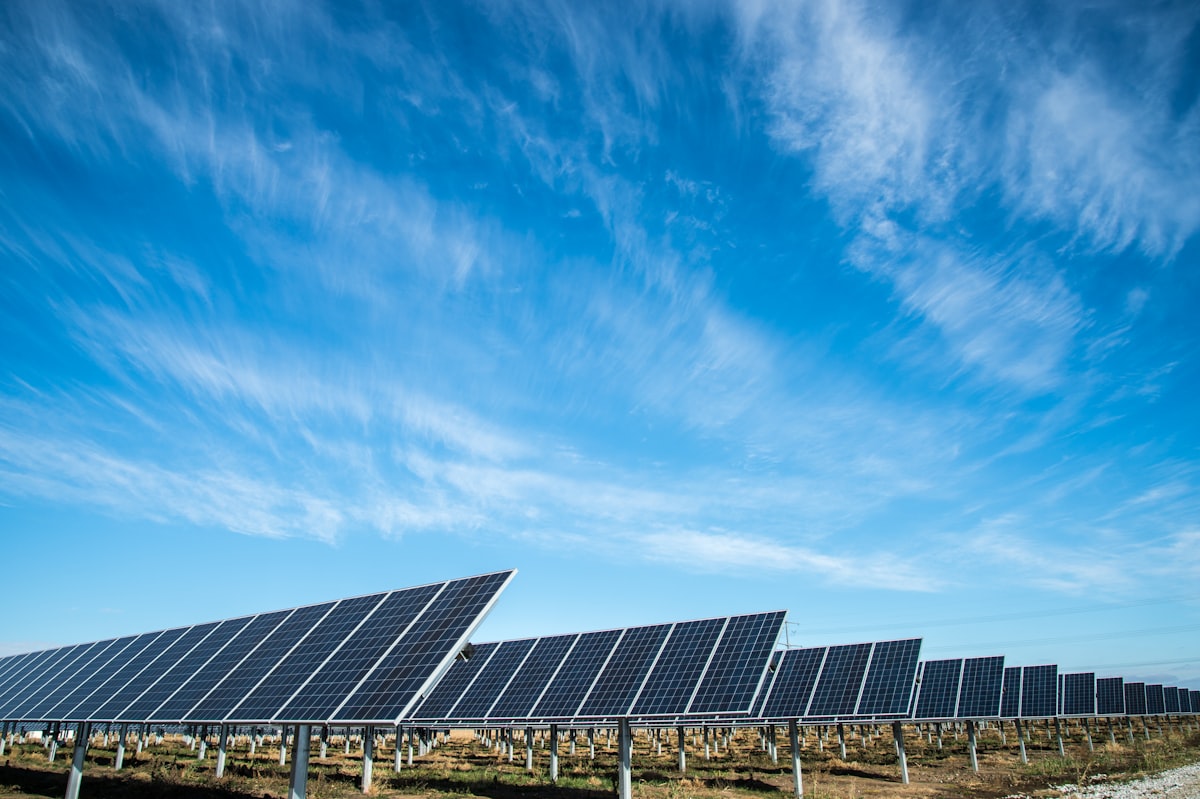
Pipeline Infrastructure: Hydrogen’s Unresolved Challenge
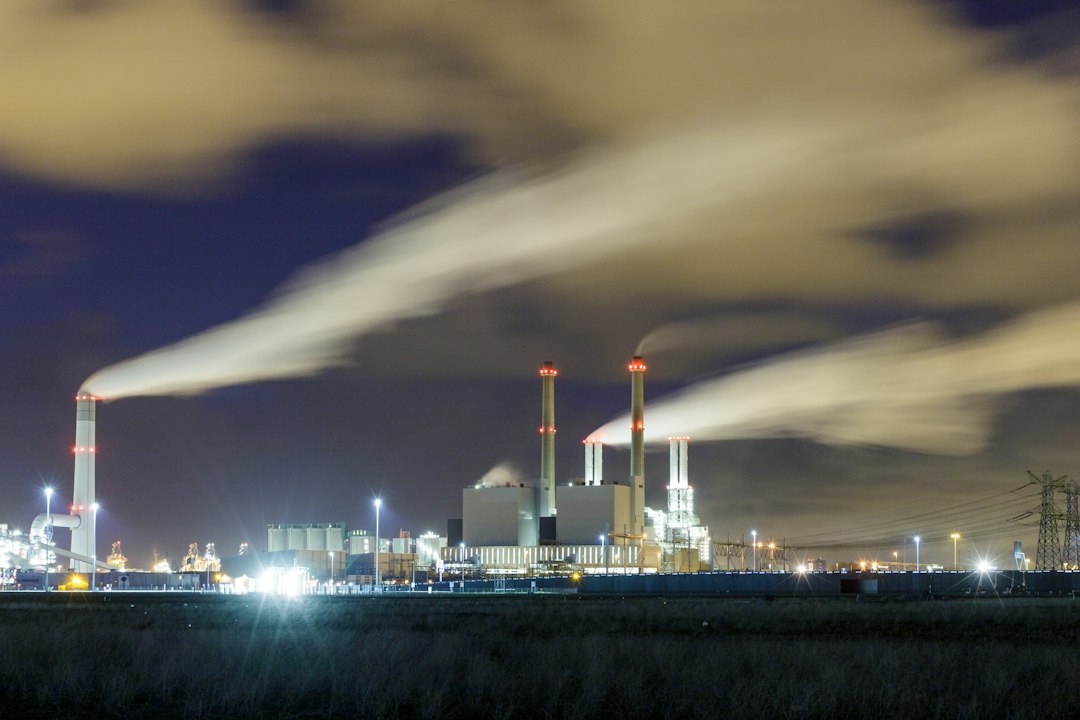
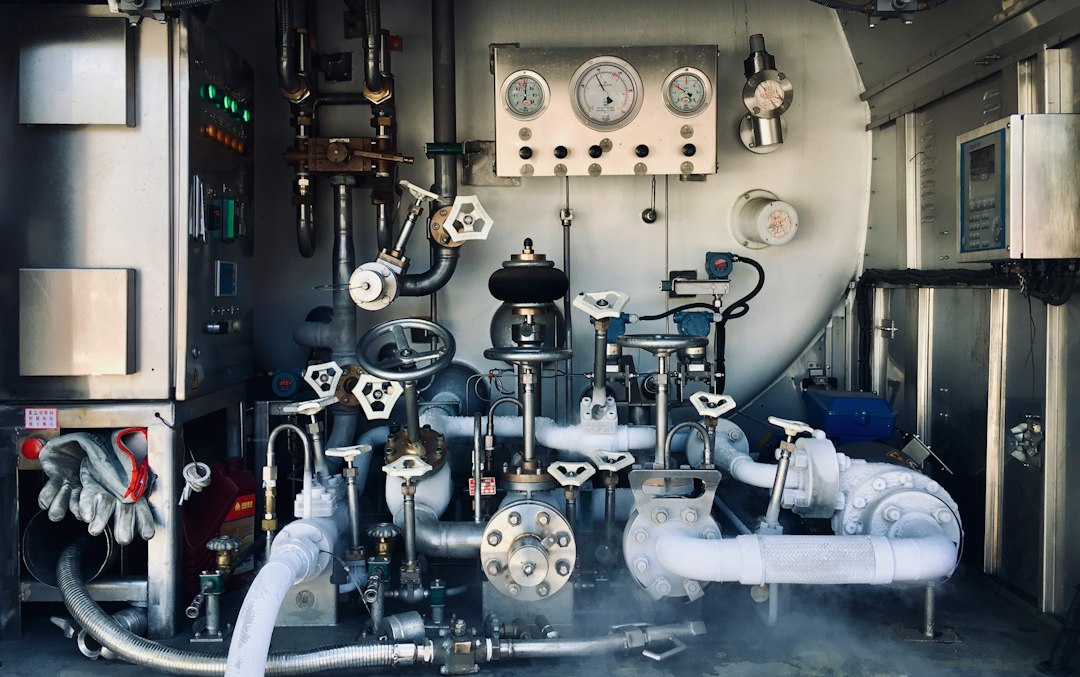
Hydrogen pipeline projects like HY4Link face inherent technical complexity: material embrittlement, compression energy penalties, and right-of-way permitting across multiple jurisdictions. The Greater Region corridor’s development silence reflects broader European hydrogen transport bottlenecks. Gaseous hydrogen requires continuous pressurisation (200-700 bar for distribution), demanding compressor stations every 100-150 km and specialised steel grades resistant to hydrogen-induced cracking.
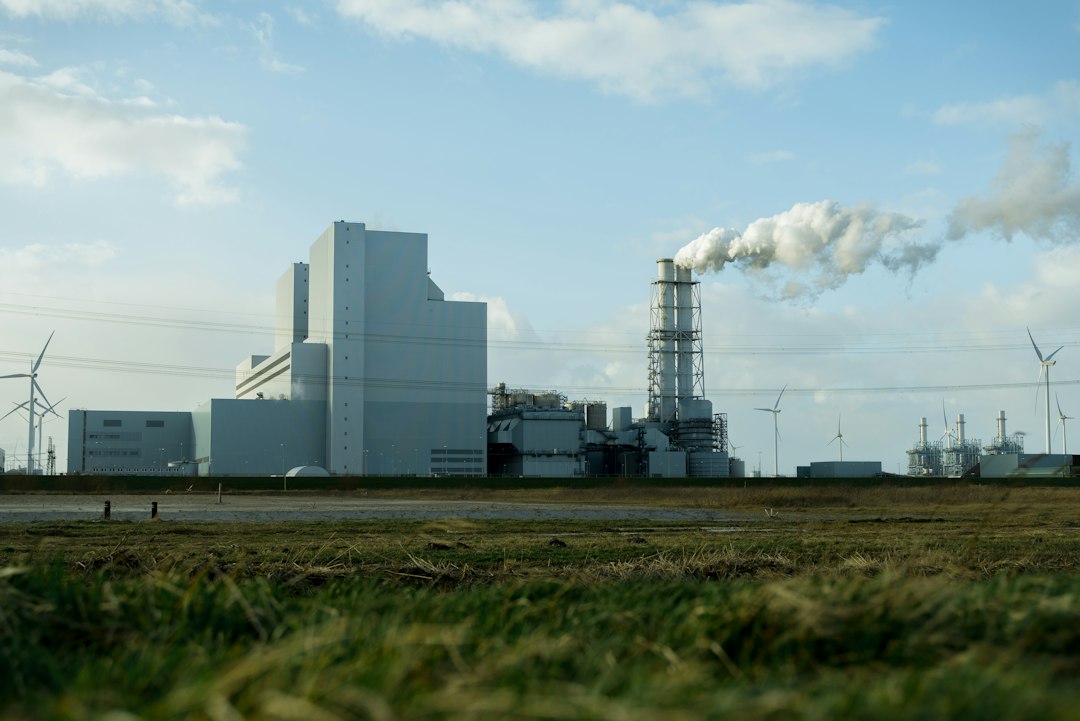
E-methanol sidesteps this entirely. As a liquid at ambient temperature and pressure, methanol moves through existing chemical tanker fleets, standard storage tanks, and conventional bunkering equipment. Maersk’s fleet conversion strategy relies on this infrastructure compatibility—no pipeline network required. The Kassø facility in Denmark can ship product directly to Rotterdam, Singapore, or any port with chemical handling capability, using proven ISO tank containers or coastal tankers.
Maritime Fuel Economics: Liquid Advantage
FuelEU Maritime regulations impose greenhouse gas intensity limits starting in 2025, tightening through 2030 and beyond. Ship operators need drop-in solutions compatible with existing bunkering logistics. Methanol’s energy density (15.6 MJ/L vs. 2.6 MJ/L for liquid hydrogen at -253°C) means practical tank volumes and established safety protocols. The Horse D20 dual-fuel engine platform demonstrates methanol’s technical readiness—commercial vessels operate today, not in a hypothetical pipeline-dependent future.
Digital twin models of e-methanol supply chains reveal operational advantages: storage losses near zero (vs. 0.2-1% daily boil-off for cryogenic hydrogen), no compression electricity overhead, and compatibility with standard bunker fuel flowmeters and injection systems. AI-optimised loading schedules at facilities like Kassø can respond to real-time vessel demand without pipeline flow-rate constraints or compressor station coordination.
The .ai Domain Justification: Data-Driven Fuel Economics
E-methanol production economics depend on electrolyser efficiency curves, renewable energy dispatch optimisation, and CO₂ capture unit performance—all domains where machine learning models improve capital utilisation. Real-time electricity price signals feed production scheduling algorithms; predictive maintenance on methanol synthesis reactors uses sensor data fusion; and maritime route optimisation integrates fuel availability with weather routing. The e-methanol.ai domain reflects this data-intensive operational reality, where artificial intelligence tools directly impact levelised fuel cost and supply reliability metrics that determine FuelEU Maritime compliance economics.
Sources
- E-fuel Market Size, Share & Forecast Analysis Report 2034
- E-fuels: Production, Applications, and Future – ENGIE
- Liquid e-fuels for a sustainable future: A comprehensive review
Featured image via Unsplash.





Leave a Reply