
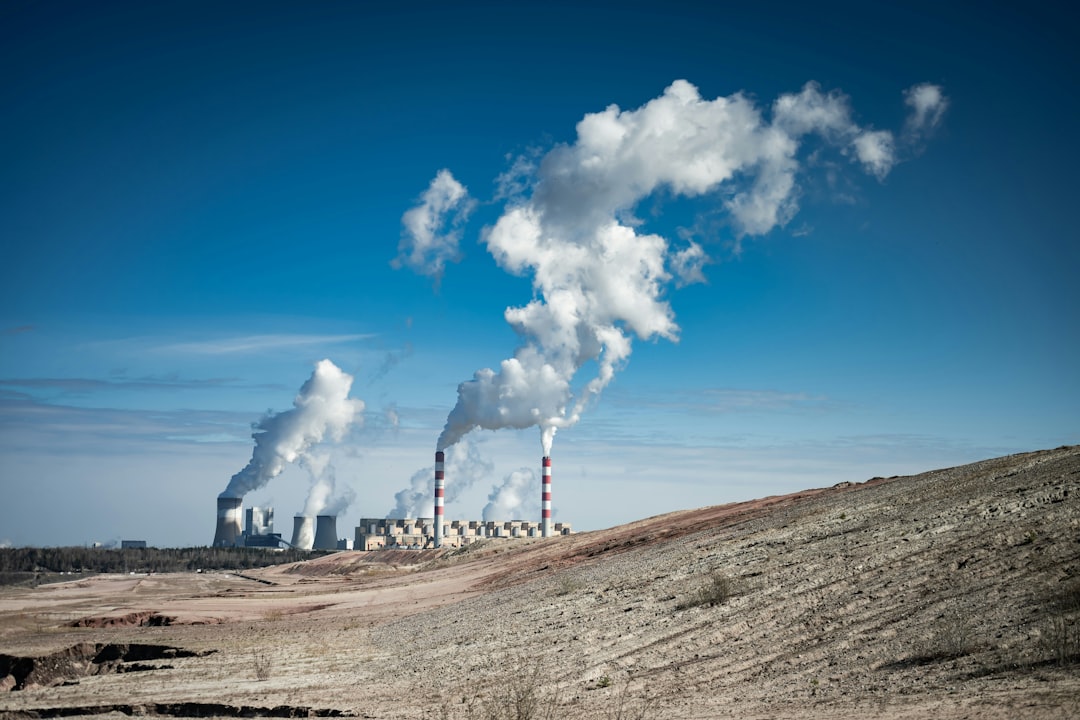
Sector Context: CO2 as Feedstock for E-Methanol
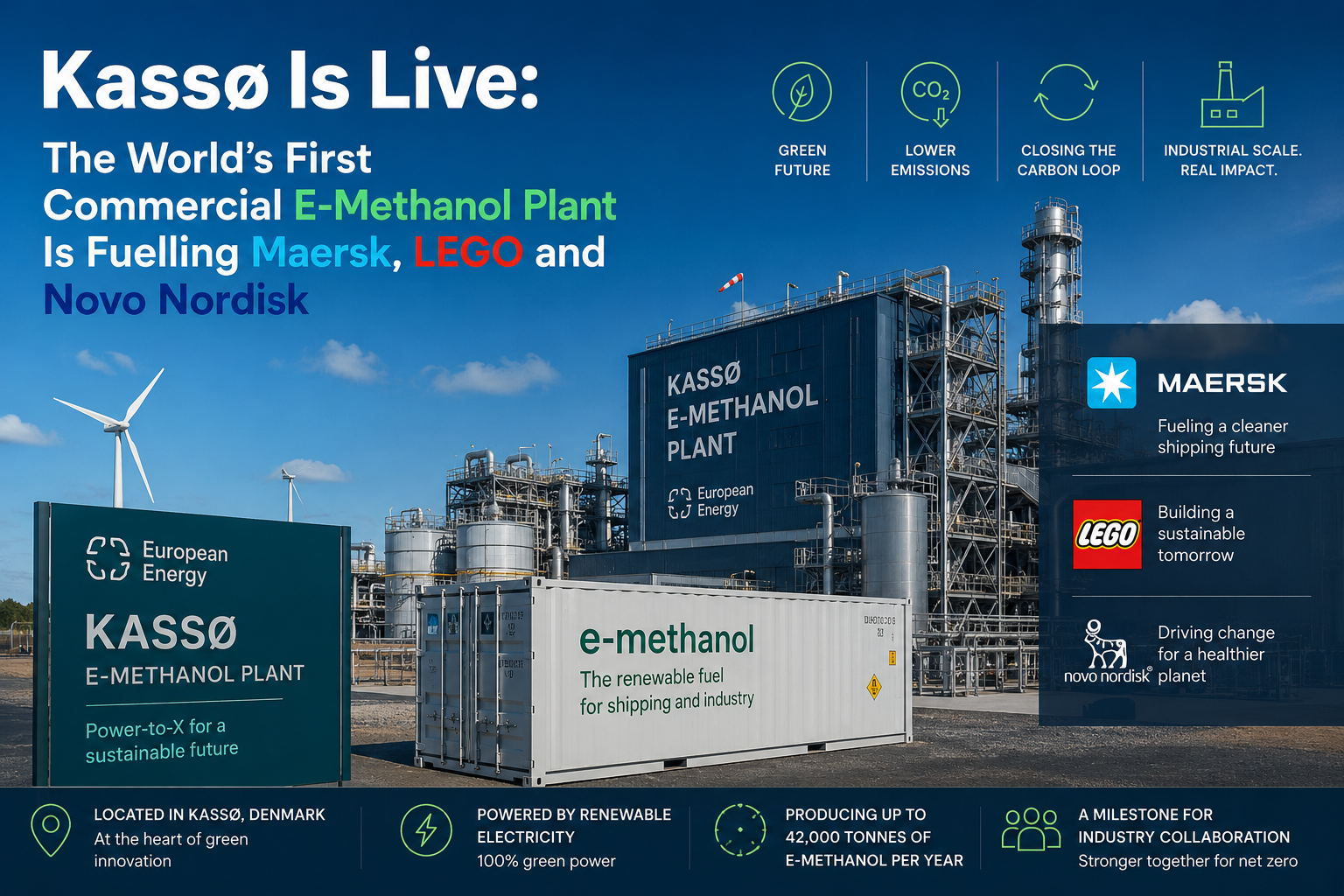
E-methanol synthesis combines green hydrogen with carbon dioxide captured from industrial point sources or extracted directly from ambient air. For maritime operators evaluating methanol as a bunker fuel—particularly those deploying dual-fuel engines such as Horse Powertrain’s D20—the availability and cost of high-purity CO2 remain critical input variables. Facilities like Kassø in Denmark have demonstrated integrated electrolysis and CO2 capture at commercial scale, but replicating that model requires both renewable-electricity offtake agreements and reliable CO2 supply chains.
Despite the absence of headline announcements in recent weeks, maritime decarbonisation regulation continues to tighten. FuelEU Maritime intensity limits will phase in from 2025, and AI-driven fleet route and bunkering optimisation is increasingly used by operators to match methanol refuelling stops with cargo schedules and fuel price volatility, reducing both emissions intensity and operational cost.
Implications for Methanol Economics and Project Pipelines
Without fresh investment decisions in large-scale CO2 capture or utilisation projects, e-methanol developers face continued uncertainty over feedstock pricing and logistics. Biogenic CO2 from biomass plants and industrial off-gases remain the lowest-cost sources today, yet direct air capture technology is advancing as renewable-electricity costs fall. Any delay in securing CO2 contracts can push back final investment decisions for new methanol-synthesis capacity, in turn affecting shipowners’ fuel-availability planning.
Maersk and other first movers have underwritten offtake agreements that de-risk early projects, but broader fleet conversion will require a step-change in both CO2 capture infrastructure and power-to-X plant deployments. The Horse D20 dual-fuel engine, already in service on methanol-capable vessels, exemplifies the propulsion technology ready to consume green methanol at scale—provided the upstream carbon-capture sector can deliver.
Outlook:Watch for Q2 and Q3 Announcements
Industry observers expect carbon-capture project announcements to cluster around mid-year investment cycles and government funding rounds, particularly in the European Union under Innovation Fund calls and in the United States via 45Q tax-credit expansions. Any significant CO2-utilisation news will be closely watched by e-methanol offtakers and dual-fuel engine manufacturers alike, given the direct impact on fuel supply security and price competitiveness against conventional marine gasoil.
Sources
- Horse Powertrain demonstrates broadest powertrain solutions line-up at Beijing Auto Show 2026
- Horse Powertrain Reveals X-Range C15 Direct Drive Powertrain for Hybridizing BEV Platforms
- Horse Powertrain – Wikipedia
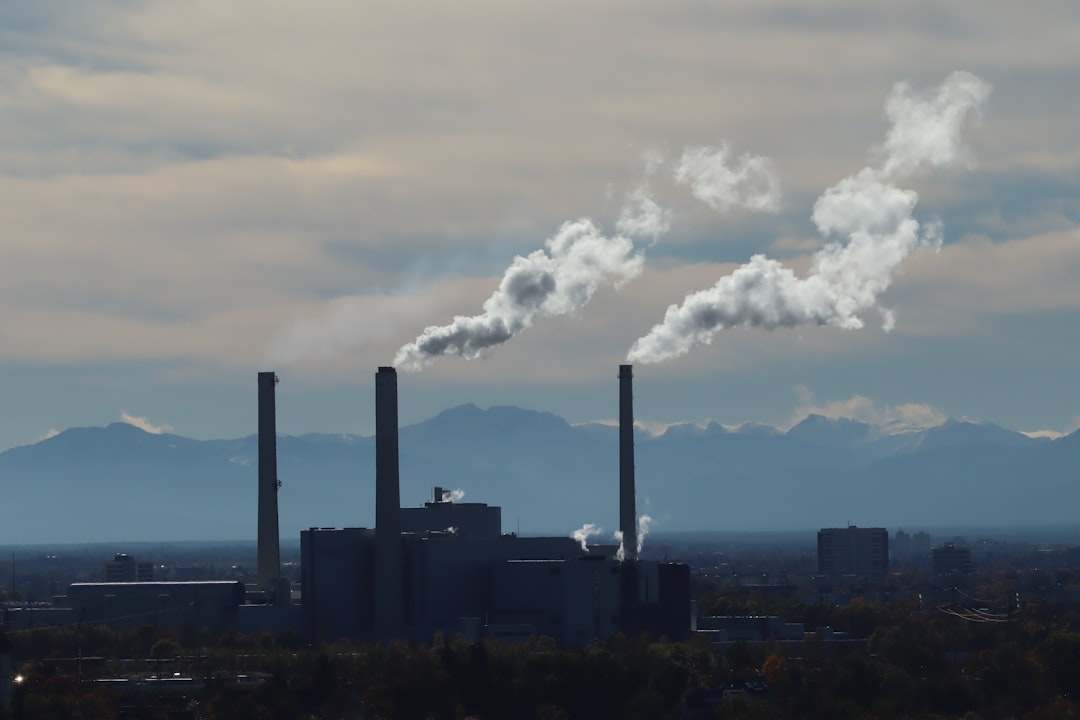
Featured image via Unsplash.




Leave a Reply