
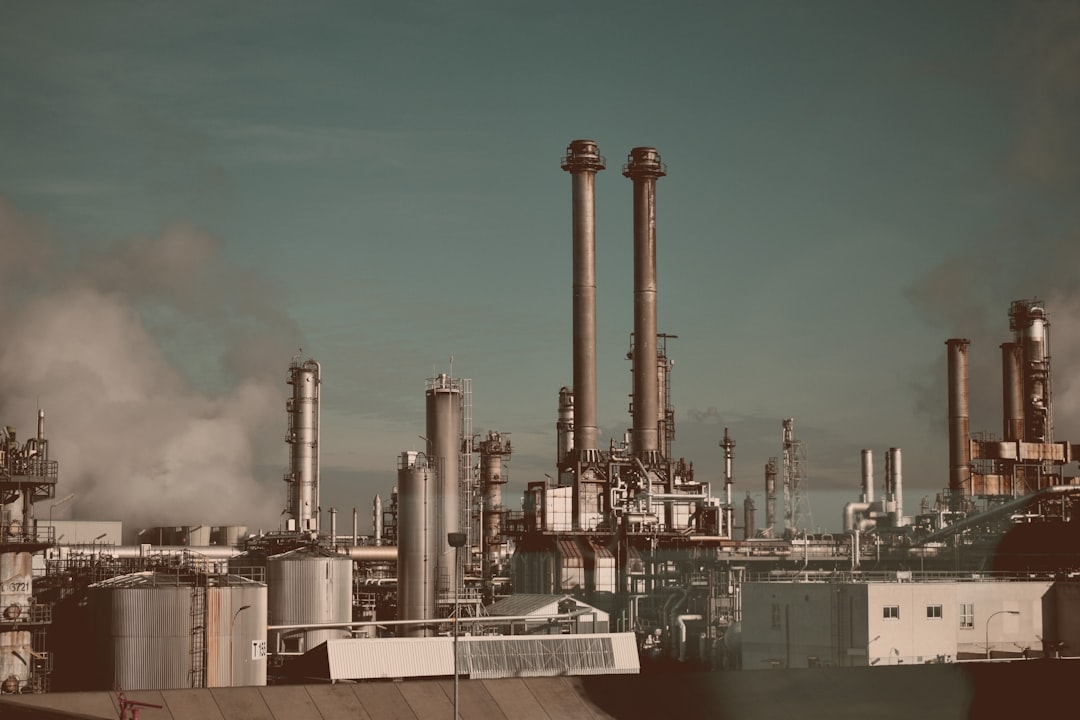
What RED III’s Double-Counting Removal Means for E-Methanol
The RED III reform that stripped double-counting credits from certain renewable fuels — a key driver of the Q2 2026 SAF price surge to $2,830 per tonne — is structurally identical to the accounting logic that will govern FuelEU Maritime’s greenhouse-gas intensity targets. When a regulatory shortcut disappears, the premium for genuinely certified green molecules rises sharply. For e-methanol producers supplying vessels operating in EU waters, this is an early preview: only fuels with a fully auditable, lifecycle-compliant green hydrogen feedstock will pass muster. The Strait of Hormuz closure that further disrupted fuel markets in the same quarter underscores how fragile fossil-derived alternatives remain, adding a supply-security argument on top of the compliance one.
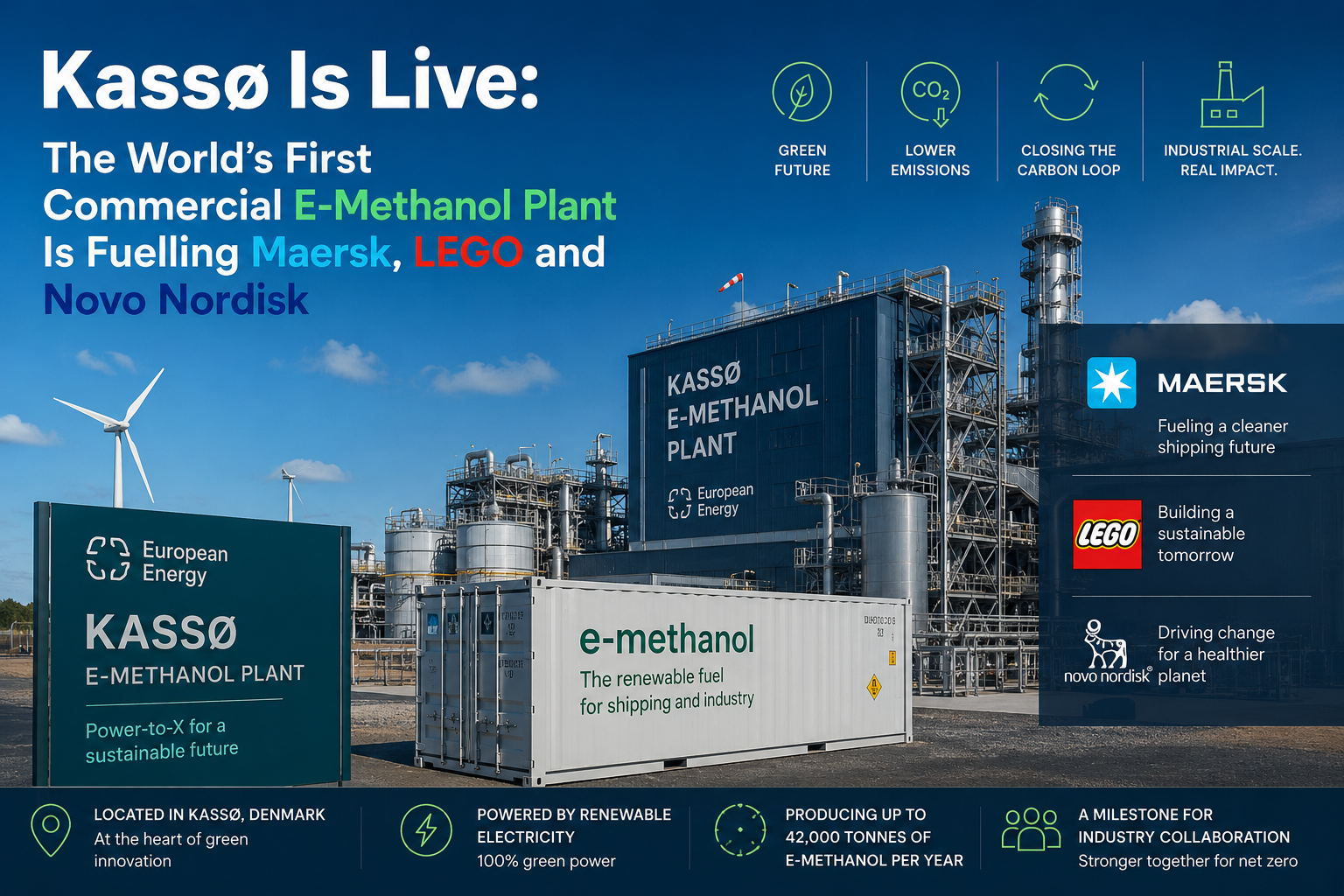
Maersk, which has staked a portion of its decarbonisation strategy on methanol-capable vessels and has been associated with demand signals for facilities such as the Kassoe green methanol project in Denmark, is precisely the kind of operator that stands to benefit from this regulatory clarification — provided the upstream supply chain can deliver certified product at scale. The Kassoe facility, designed to produce green methanol from renewable electricity and captured CO₂, is the archetype of the asset class that RED III and FuelEU Maritime are, in effect, mandating into existence.
Carbon Capture as the Quiet Enabler
E-methanol is, chemically, one carbon atom bonded to four hydrogen atoms and one oxygen — synthesised by combining green hydrogen with CO₂. The IEA’s 2026 update, which recorded a greater-than-10% rise in operational and under-construction CO₂ capture capacity and a roughly 25% increase in confirmed storage capacity, matters directly to this supply chain. Yet the agency also cautioned that total potential capacity of around 425 million tonnes per year remains heavily weighted toward projects delayed until 2035 or beyond. For e-methanol producers, the bottleneck is not electrolysis but affordable, reliably sourced biogenic or direct-air-capture CO₂ — and the IEA data suggest that bottleneck will persist for at least another decade without sustained policy support.
This is where the regulatory linkage between RED III and FuelEU Maritime becomes most consequential. If the EU applies the same rigour to CO₂ sourcing in maritime fuels that it now applies to feedstock accounting in aviation, projects that cannot demonstrate a certified carbon stream will face the same cliff-edge that removed the double-counting premium from SAF. Investors in e-methanol infrastructure are, in effect, being asked to price in regulatory risk on both the hydrogen and the carbon side simultaneously.
Optimisation, Bunkering, and the Road to 2030
Operators running methanol-capable fleets are already deploying AI-assisted route and bunkering optimisation tools to manage the variable availability of green methanol at ports, minimising detours to certified bunkering hubs and aligning refuelling stops with FuelEU compliance windows — a practical advantage as the network of methanol bunkering infrastructure remains thin. That operational layer matters because regulatory compliance is ultimately measured voyage by voyage, not fleet-wide.
The efficiency objection that dogs e-fuels in road transport — where a battery-electric vehicle uses roughly five times less renewable electricity per kilometre than an e-fuel powertrain — loses much of its force at sea. Deep-sea shipping cannot be battery-electrified at commercial scale with current technology; the energy density and range requirements simply do not match. Green methanol is not competing with a better alternative in this sector. It is, for now, among the only scalable, low-carbon options available. That is precisely why getting the regulatory framework right — on double-counting, lifecycle accounting, and CO₂ sourcing — matters so much, so soon.
Sources
Featured image via Unsplash.




Leave a Reply