
CO₂ as Feedstock, Not Just Waste
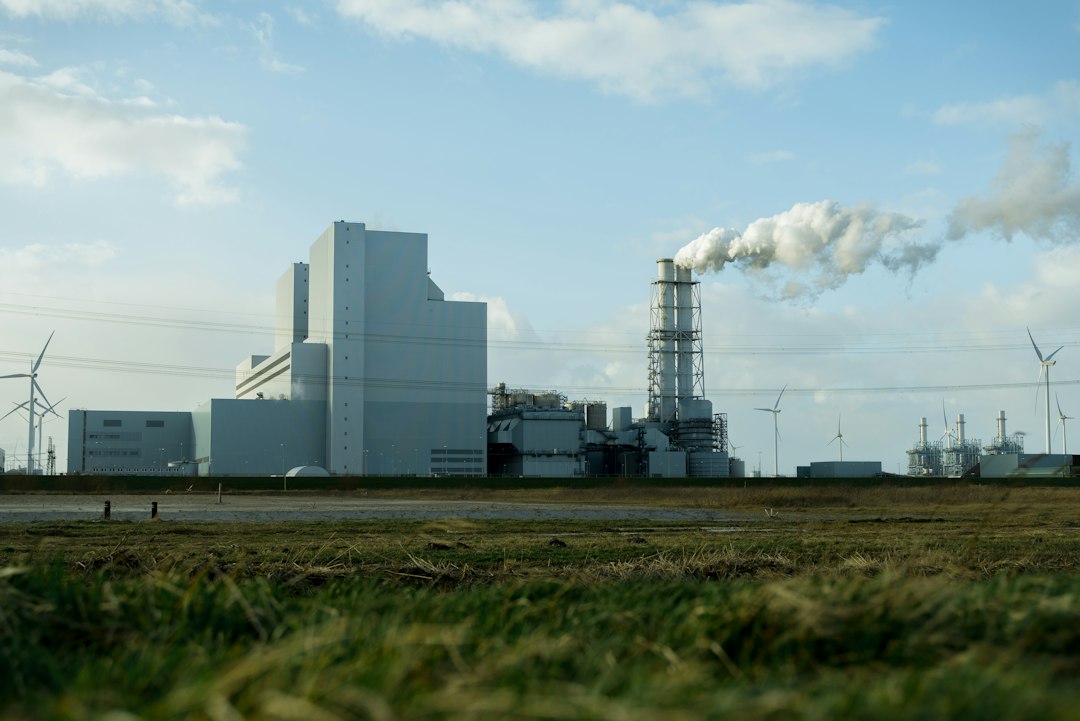
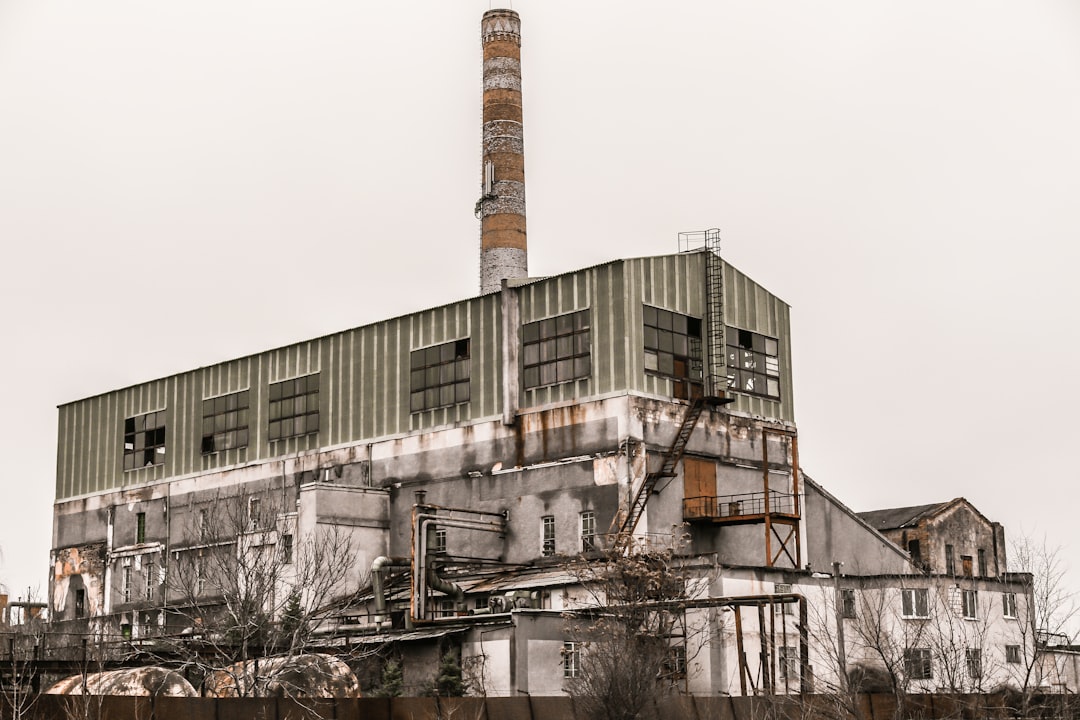
The dominant narrative around CCS has long centred on permanent geological sequestration. Yara Sluiskil’s project fits that model: captured CO₂ is piped offshore and stored in Norwegian subsea formations. Critics from Transport & Environment and beyond argue that CCS at industrial sites primarily extends the life of fossil-intensive processes rather than delivering net decarbonisation. That objection has merit at the system level and should not be glossed over. However, for e-methanol producers, the more consequential question is whether large, stable, cost-competitive CO₂ point sources can be co-located with—or economically piped to—electrolysis and methanol synthesis capacity. An 800,000 t/yr stream from a single plant answers that question affirmatively at industrial scale.
Synthetic methanol chemistry requires roughly 1.37 tonnes of CO₂ per tonne of methanol output. At the Yara Sluiskil capture rate, the CO₂ stream could in principle supply feedstock for approximately 580,000 t/yr of e-methanol—enough to fuel a significant portion of a mid-size container shipping fleet. The bottleneck is not CO₂ availability; it is green hydrogen supply and the capital cost of synthesis units. That reframing changes where investment pressure should sit.
DAC as the Purer but Costlier Alternative
Climeworks’ Mammoth plant in Iceland offers a contrasting data point: 675 t CO₂ removed in H1 2026, roughly six times its output a year earlier, and at a declining unit cost. Direct air capture carries the advantage of feedstock carbon that is categorically additional—no association with a fossil industrial process—which strengthens RFNBO compliance arguments under RED III and FuelEU Maritime. But Mammoth’s H1 2026 figure also illustrates the scale gap: 675 t in six months versus 400,000 t in the same period at Yara Sluiskil. For maritime fuel volumes in the near term, point-source industrial CO₂ remains the pragmatic supply route, with DAC feeding premium, compliance-sensitive tranches.
The AI-driven optimisation tools now applied to DAC sorbent cycling and electrolyser load-following are narrowing the cost gap faster than linear projections suggested. Process digital twins that co-optimise CO₂ capture rate, compressor duty, and hydrogen delivery timing are among the highest-value applications in the e-methanol production stack—directly relevant to the technical and data analysis that defines this portal’s scope.
Implications for FuelEU Maritime and the Maersk Supply Chain
FuelEU Maritime’s greenhouse-gas intensity targets tighten progressively from 2025 through 2050, with e-methanol one of the few drop-in-capable fuels that can meet the 2030 and 2035 thresholds without engine redesign on dual-fuel vessels. Maersk has publicly committed to green methanol bunkering along its key corridors, with the Kassoe facility in Denmark positioned as a northern European supply hub. The critical path for Kassoe-scale production is securing verified, low-carbon CO₂ at sufficient volume. Industrial CCS projects of the Yara Sluiskil type—provided their CO₂ accounting meets the RFNBO sub-criteria under RED III—could serve as bridge supply until purpose-built DAC capacity scales. Regulatory clarity on whether point-source industrial CO₂ qualifies under FuelEU Maritime’s well-to-wake accounting remains the outstanding legal question that compliance officers must track.
Sources
Featured image via Unsplash.
This is not an official site. It is published by a private company and does not emanate from any public authority, institutional programme, government department or research organisation. It represents none of them and speaks for none of them in any capacity.
Nature of the content. Articles are documentary summaries drawn from cited public sources. They may contain inaccuracies, omissions or information that has since become outdated. No financial, technical, legal or investment advice is provided.
Always verify against primary sources. For any information concerning a public programme, a regulation or an institutional project, only the publications of the competent authority are authoritative.
© 2026 BESS Energie SRL · BCE 0698.949.732 · info@bess.be



Leave a Reply