
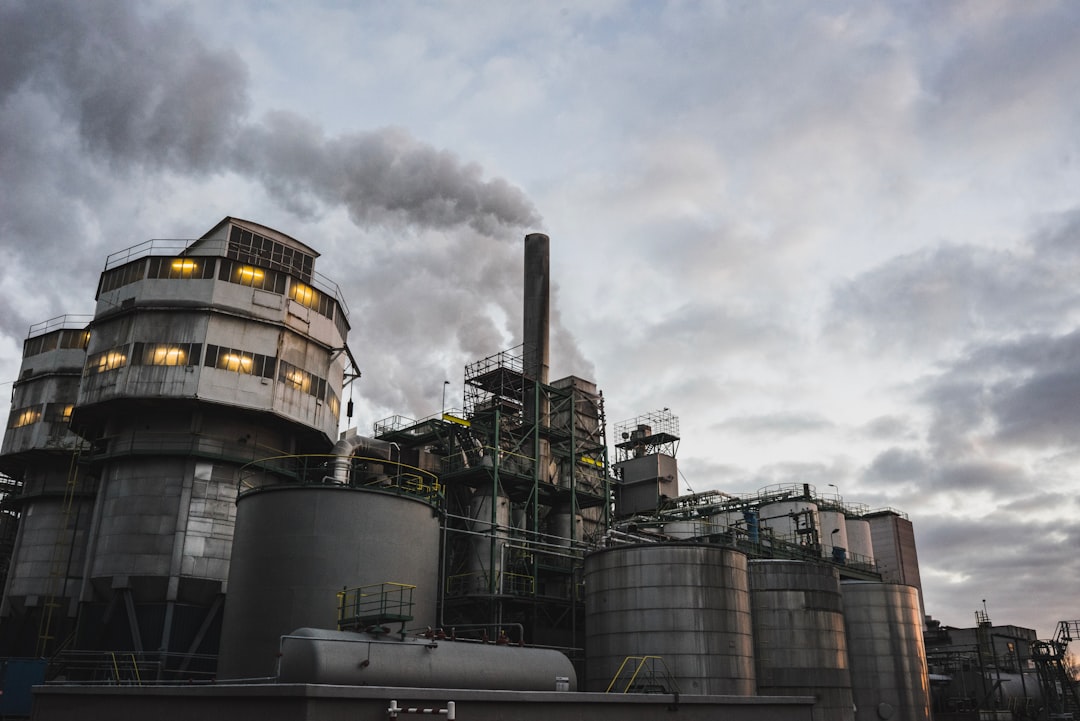
Carbon Feedstock: The Hidden Variable in E-Methanol Economics
E-methanol synthesis requires two inputs: renewable hydrogen and CO₂. While electrolysis costs dominate headlines, the source and price of carbon dioxide increasingly determine project feasibility. Industrial point sources—cement, steel, refineries—offer concentrated CO₂ streams at lower capture costs, but availability is geographically constrained and volumes finite. Direct air capture (DAC) promises unlimited feedstock but remains capital-intensive, with pilot facilities only beginning to scale in 2026.
For maritime operators like Maersk, which has committed to methanol-ready vessels including dual-fuel container ships capable of running on e-methanol, feedstock economics matter. A cost premium of €50–100 per tonne of CO₂ captured via DAC versus point-source capture translates directly into e-methanol production costs, affecting competitiveness under FuelEU Maritime’s penalty structure. The International Energy Agency’s ongoing tracking of CCUS deployment highlights that scaling DAC capacity from pilot to gigaton levels is critical for maritime fuel ambitions beyond 2030.
Utilisation Over Sequestration: Methanol as a CO₂ Sink
Traditional CCUS focuses on permanent geological storage; carbon utilisation flips the model by embedding CO₂ in valuable products. E-methanol is a prime example: each tonne of green methanol sequesters approximately 1.375 tonnes of CO₂ chemically. When combusted in a marine engine—such as the Horse D20, a large-bore platform optimised for methanol—that carbon is released, but the net lifecycle emissions remain far lower than fossil fuels, especially when paired with renewable electricity and captured CO₂.
This utilisation pathway aligns with emerging CCUS project portfolios, which increasingly prioritise CO₂-to-products over pure sequestration. For e-methanol facilities like the Kassø plant in Denmark, securing reliable, low-cost CO₂ is as strategic as electrolyser efficiency. The Carbon Capture & Storage Summit scheduled for 2026 and the CCSA EU Conference, which shifts from ambition to execution, both underscore the maritime sector’s rising interest in integrated carbon-to-fuel value chains. Digital tools—pipeline monitoring, DAC plant optimisation algorithms, electrolyser load balancing—are now essential to maximise CO₂ capture rates and minimise methanol production downtime, justifying the .ai domain’s focus on data-driven performance.
Regulatory Tailwinds and the 2026 Inflection Point
Europe’s FuelEU Maritime regulation, which imposes escalating greenhouse-gas intensity limits on shipping fuels, treats biogenic and captured CO₂ favorably in lifecycle accounting. E-methanol derived from DAC or biogenic sources benefits from these rules, giving operators compliance optionality that fossil LNG cannot match. Meanwhile, the U.S. carbon-capture landscape—mapped in outlook reports for 2026—shows parallel momentum in tax credits (45Q) and infrastructure funding, potentially opening trans-Atlantic CO₂ supply chains for European methanol producers.
The convergence of CCUS scaling, maritime regulation, and methanol-engine readiness in 2026 creates a rare alignment. Maersk’s fleet expansion, new DAC capacity coming online, and optimised CO₂-to-methanol process chains signal that carbon capture is moving from niche pilot to strategic enabler. For shipowners evaluating fuel strategies, understanding CCUS economics is now as critical as tracking Brent crude.
Sources
- What’s Next For Carbon Capture, Utilization & Storage (CCUS) In 2026?
- Outlook 2026: Carbon capture in the US – Milestones and the road ahead
- CCSA EU Conference 2026: Europe’s Carbon Capture Debate Moves From Ambition To Execution
- Carbon capture, utilisation and storage – IEA
Featured image via Unsplash.



Leave a Reply